
Regular Maintenance Contracts Plumbing Services in Bath, PA
Bath Regular Maintenance Contracts Pros ready now in Northampton County
Regular Maintenance Contracts ensure ongoing plumbing support through scheduled inspections, system tune-ups, and minor repairs, ensuring efficient functioning and reduced risk of emergencies. These contracts offer value, assurance, and reduced downtime for residential and commercial clients by cutting unplanned costs and enhancing long-term use
We provide top notch Plumbing services throughout Northampton County. Whether you need help with Regular Maintenance Contracts or other issues, our Team is ready.

Plumbing Services in Bath, PA
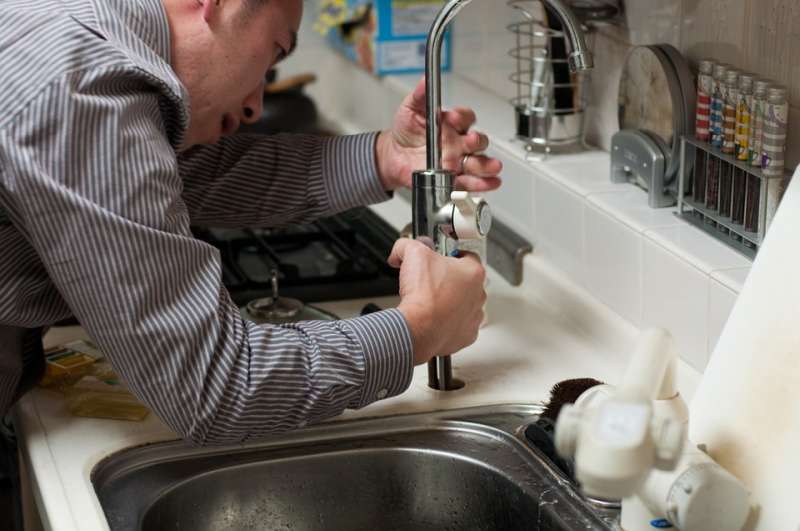
Setting up dishwashing machines, hot water heater (tank and tankless), garbage disposals, and cleaning devices.
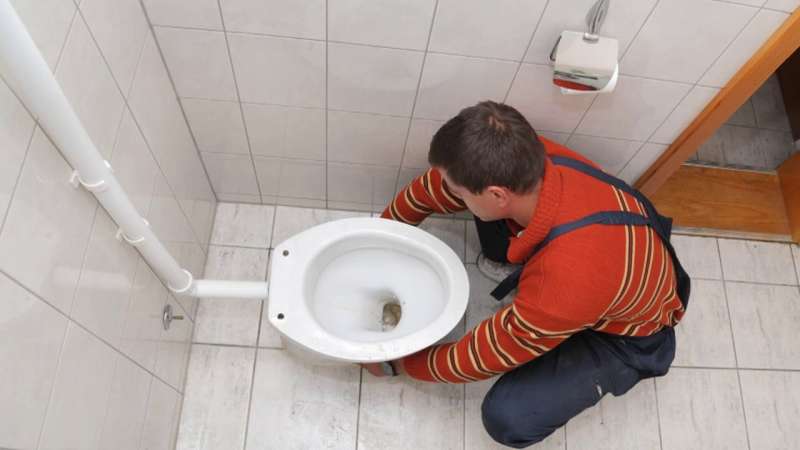
Guaranteeing backflow prevention devices are working properly.
Relocating or updating plumbing systems.
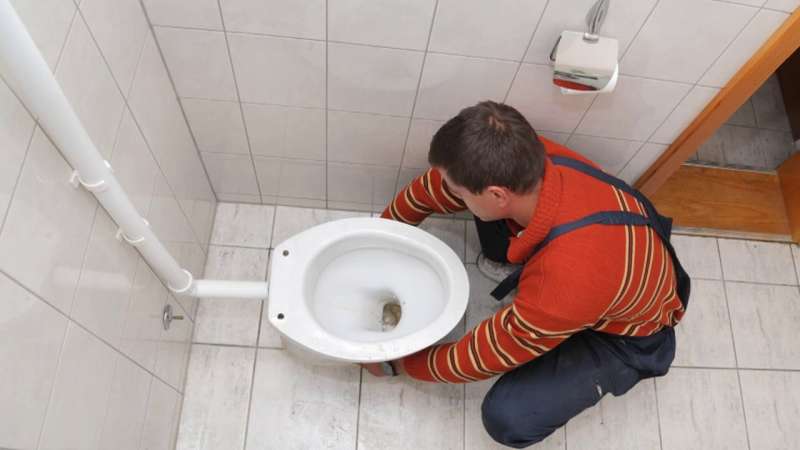
Ensuring plumbing systems satisfy regional guidelines.
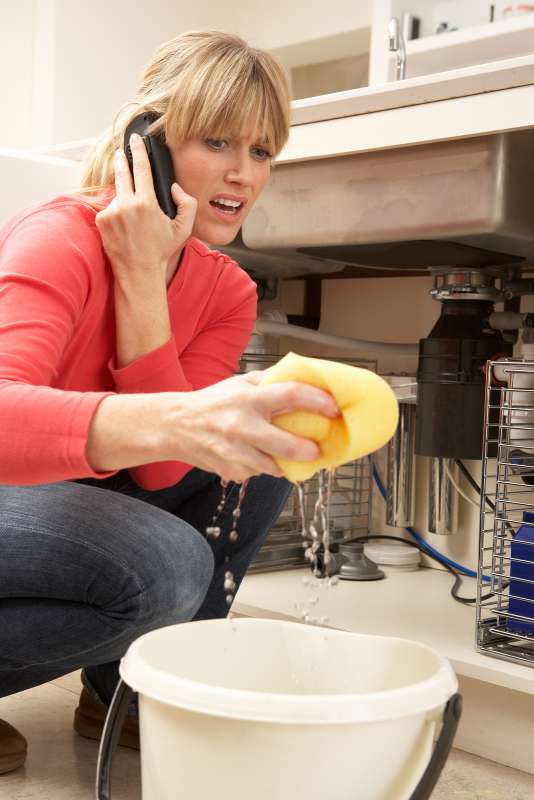
Immediate reaction to prevent flooding and water damage.
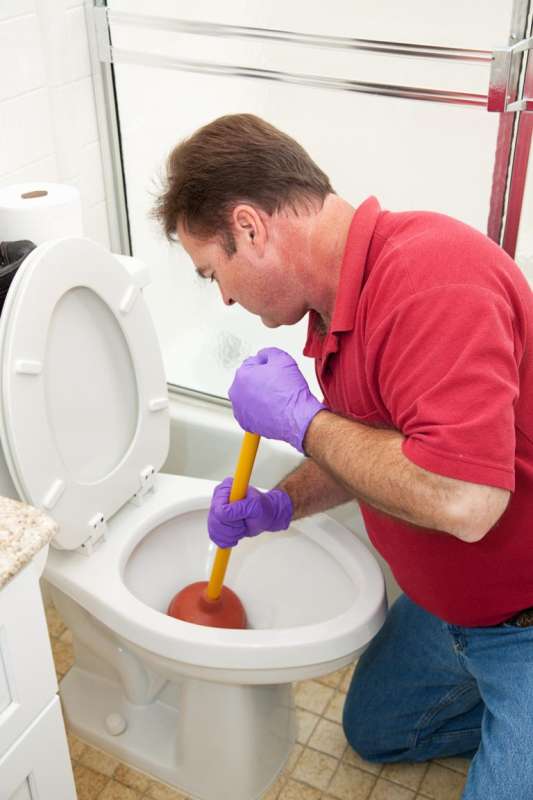
Clearing obstructions in sinks, toilets, showers, and drain lines.
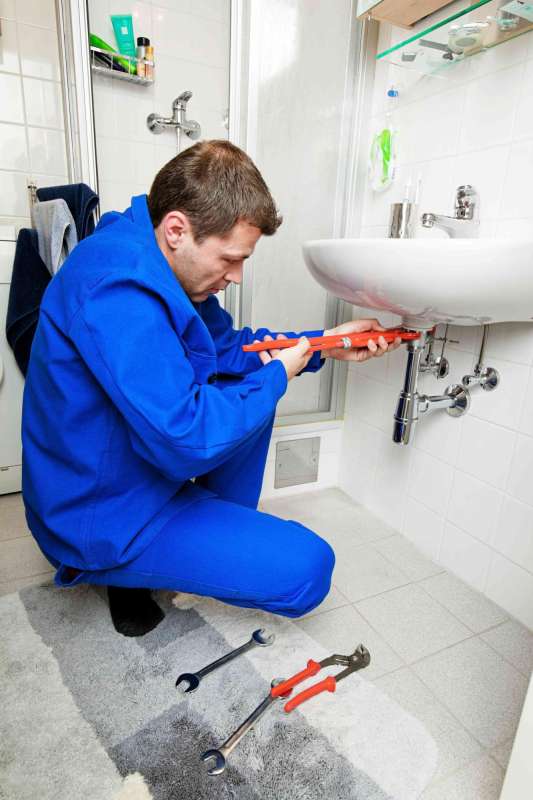
Routine cleansing to prevent clogs and maintain flow.
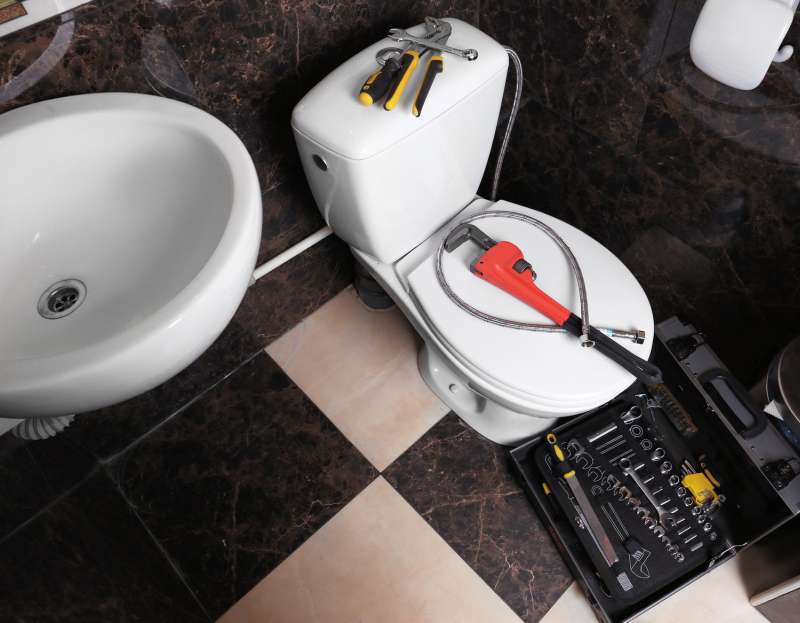
Fixing malfunctioning faucets, toilets, and other components.
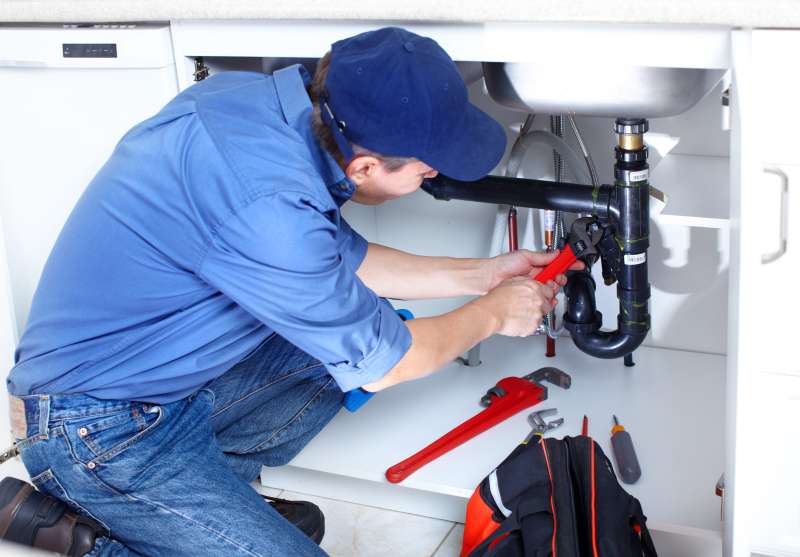
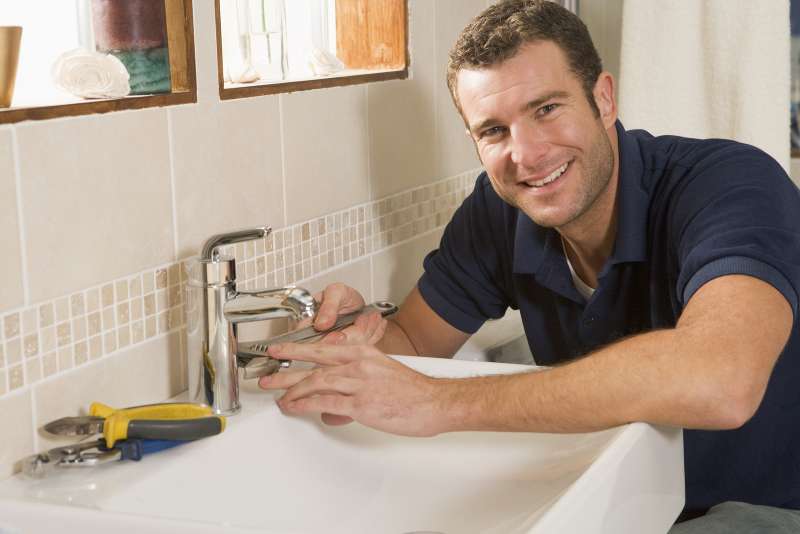
Installation of sinks, faucets, toilets, tubs, and showers.

Emergency detection and repair work to prevent dangers.
Fixing gas leakages and guaranteeing correct gas line working.
Establishing systems for reusing home wastewater.
Installing and preserving radiant floor heater.
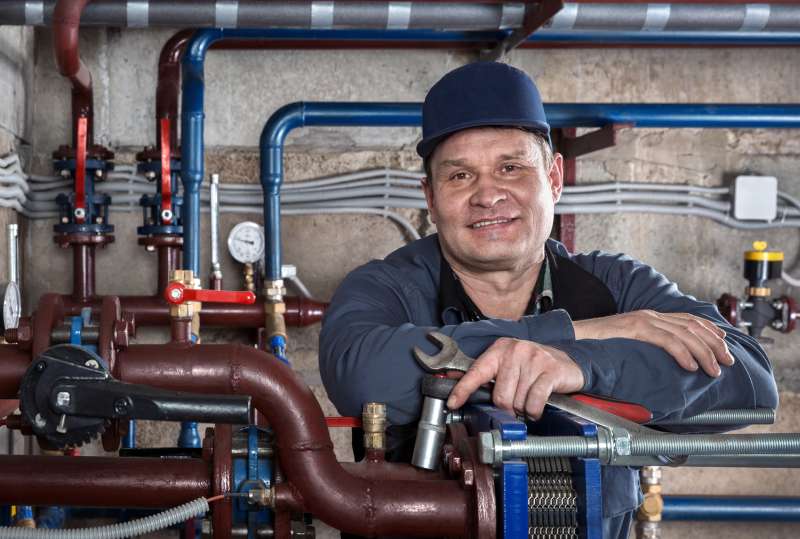
Specialized piping for factories or commercial settings.
Setting up and keeping outdoor irrigation.
Plumbing systems for new structures or remodellings.
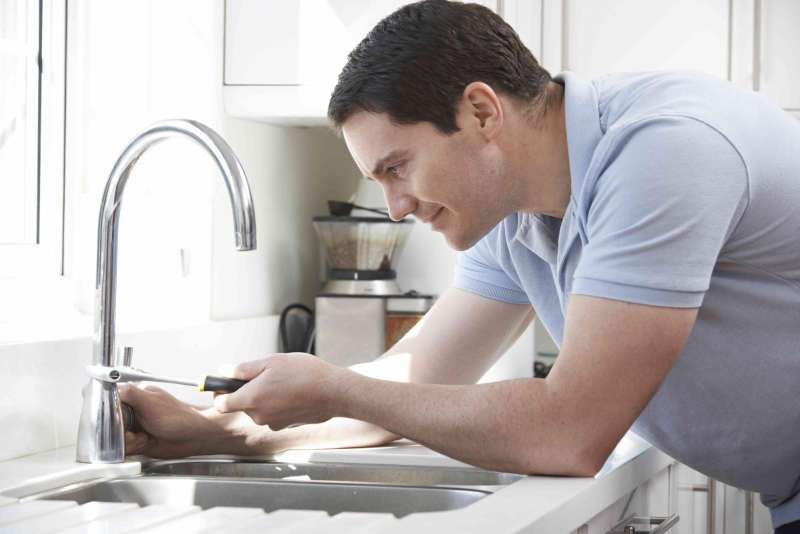
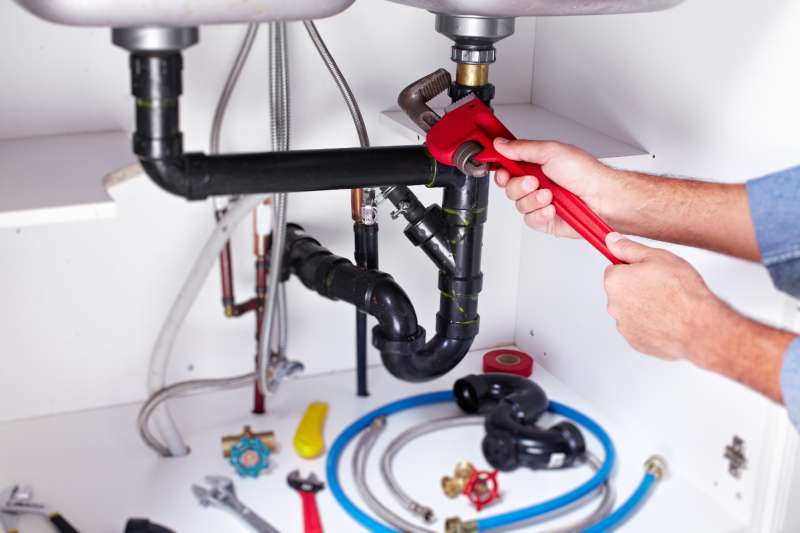
Repairing leaks in pipes, faucets, toilets, and devices.
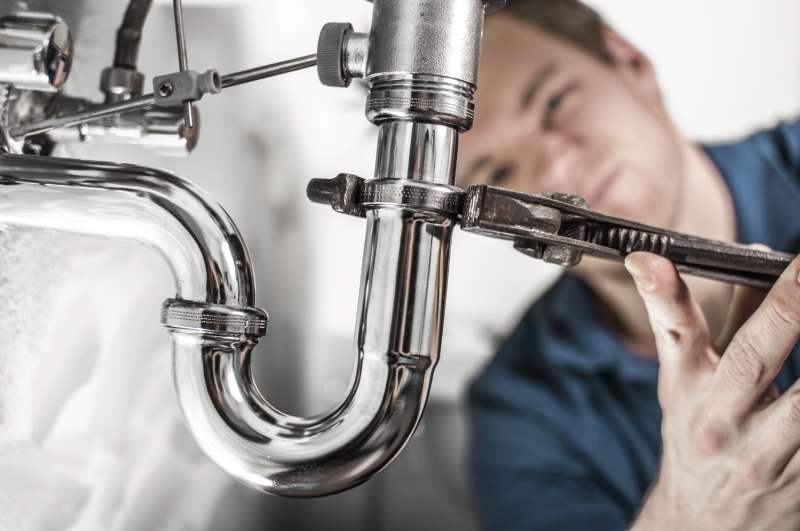
Quick resolution of extreme clogs and overflows.
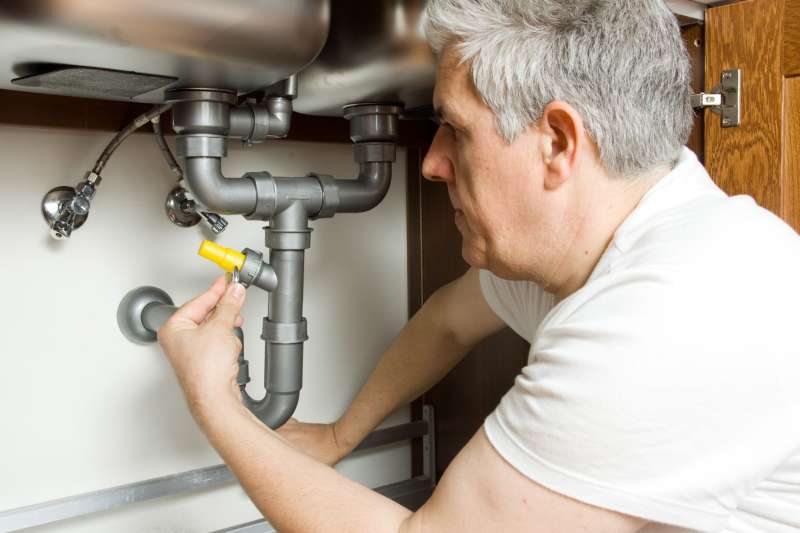
Using video cameras to examine pipelines for damage or obstructions.
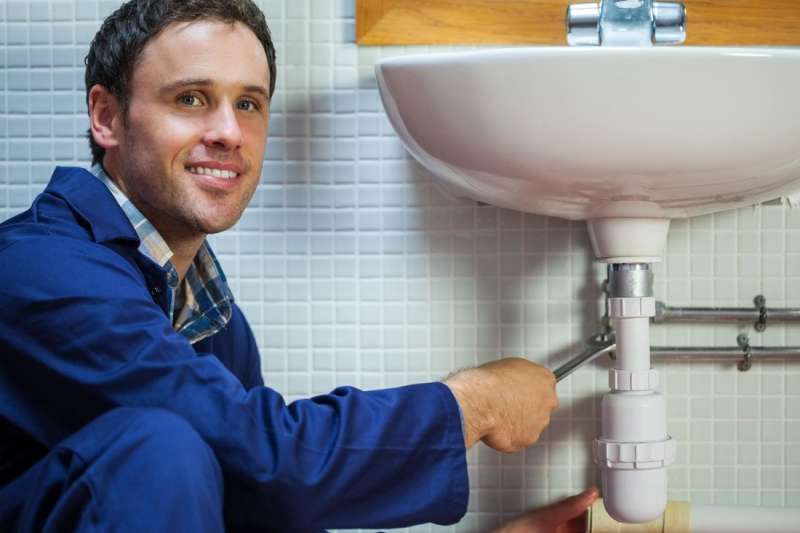
Repairing or changing burst, rusted, or damaged pipelines.
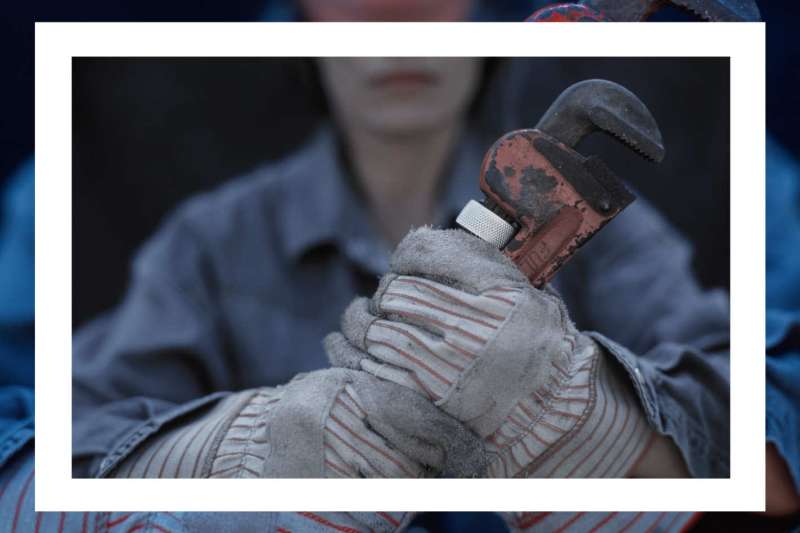
Setting up brand-new piping systems for water, gas, and drain.
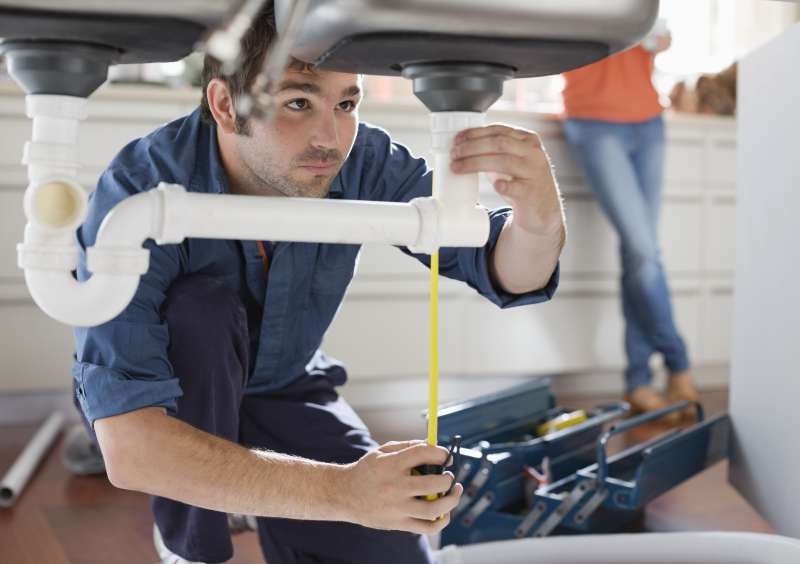
Assessing plumbing systems before buying property.
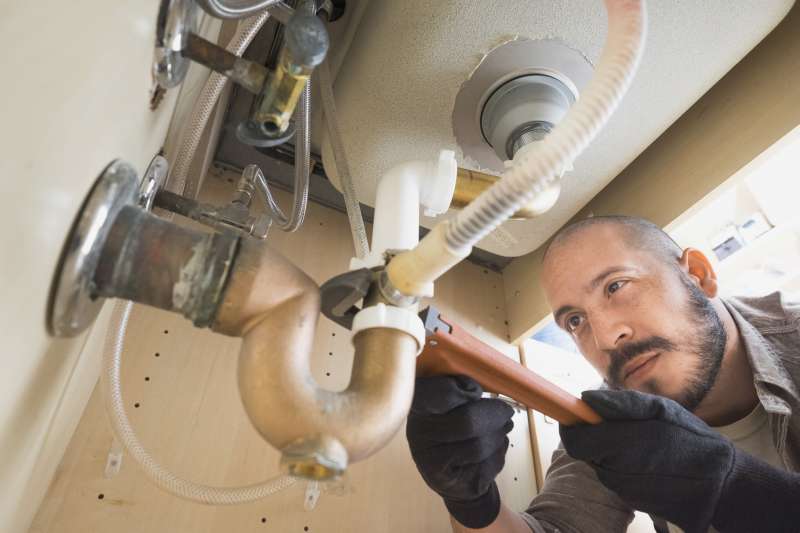
Setting up systems to collect and utilize rainwater.
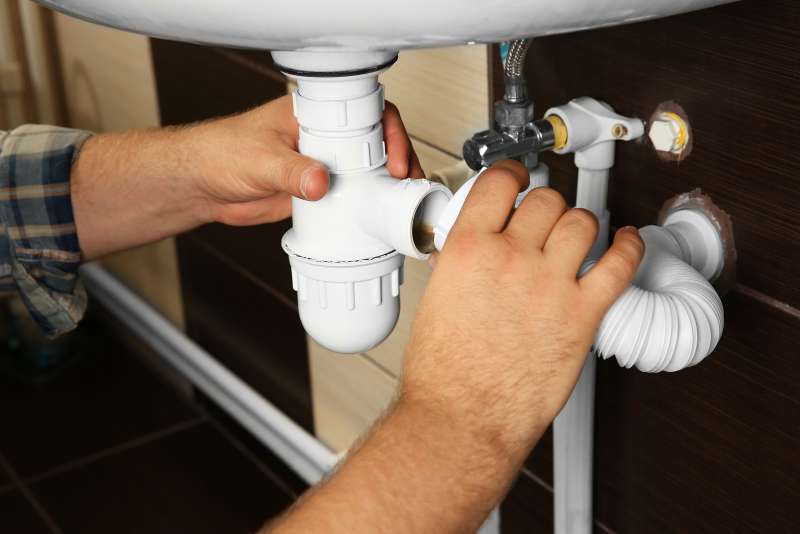
Continuous upkeep services for businesses.
Putting up, repairing, and keeping sewage-disposal tanks.
Managing groundwater in basements.
Installing water-efficient or modern components.
Recommending on water-saving techniques and items.
Installing water conditioners and purification systems.
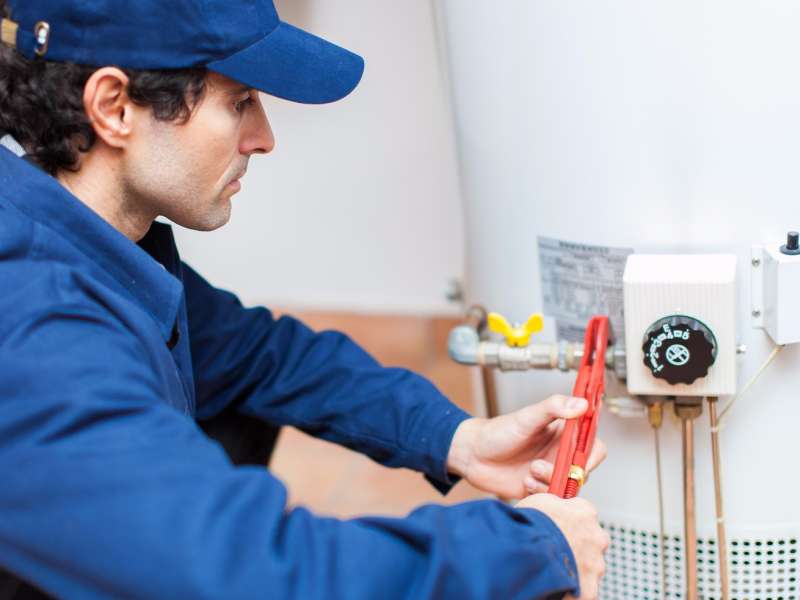
Flushing and checking water heaters to lengthen life expectancy.

Attending to problems with temperature level, leakages, or failure to heat water.
Protecting basements or other areas from water invasion.
Immediate attention to prevent contamination and health threats.